1kWh of capacity, 2000W of attitude. The C1000 Gen 2 runs what rivals cannot.
Key Takeaways
- 1024Wh of capacity, 2000W of continuous output.
- Around CA$699 (checked 2026-10-14).
- Compact enough to tuck under a desk or slide into a car trunk.
- 1024Wh is a one-day battery for essentials, not a multi-day one.
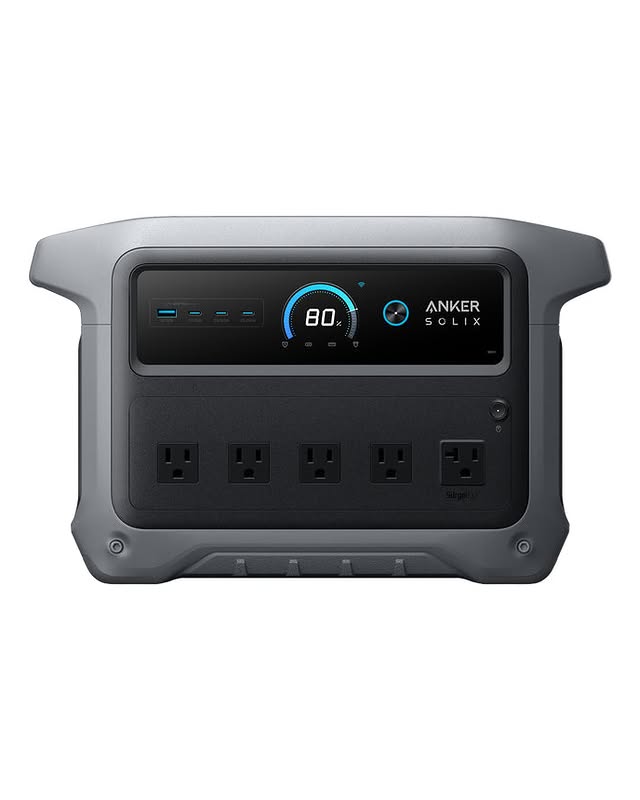
Here is the question every buyer asks: can one power station be powerful enough for real appliances, small enough to carry easily, and cheap enough to justify? The Anker SOLIX C1000 Gen 2 is Anker’s answer, and it is a convincing one. 1024Wh of capacity, 2000W of continuous output, and a price of around CA$699 put it in direct competition with units that cost far more. Its natural rival is the EcoFlow DELTA 2, another 1kWh-class contender.
The output-to-capacity ratio is the story
Most 1kWh power stations top out at 1000 to 1500W, which rules out kettles, microwaves, and many power tools. At 2000W continuous, the C1000 Gen 2 runs virtually anything you would plug into a wall outlet, at least for as long as its 1024Wh lasts.
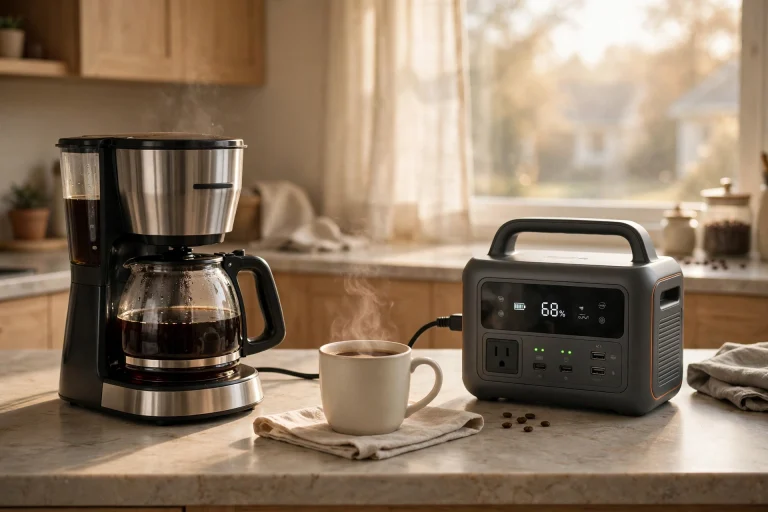
That makes it far more useful in real outages: yes to the microwave for reheating food, yes to the circular saw on the job site, yes to the coffee maker on a dark morning.
Anker’s power electronics pedigree
Anker built its reputation on charging technology, and the SOLIX line brings that pedigree to portable power. Stable output under load, proper thermal management, and clean sine-wave power protect your electronics and extend the battery’s life. For a home office, that means your workstation, monitors, and networking gear run exactly as they would on grid power.
How long will 1024Wh last in a real outage?
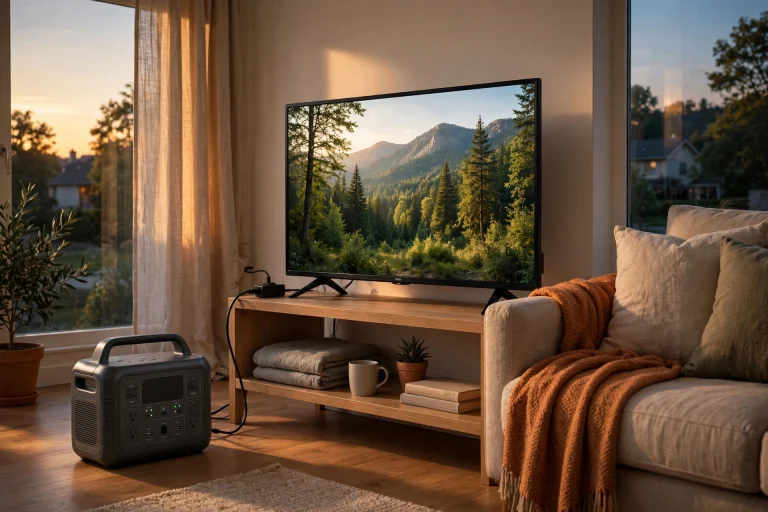
About a day for essentials: a full-size fridge plus a few devices will take you through the night and into the next morning, but not through a three-day outage. Heavy 2000W loads will drain it in about half an hour, so high-draw appliances are for short bursts. If you are unsure what size you need, our power station sizing guide does the math in five minutes. Need days of autonomy? Step up to the 2kWh class, like the Jackery Explorer 2000 v2.
| Capacity | 1024Wh |
|---|---|
| AC Output | 2000W continuous |
| Price (CAD) | Around CA$699 (checked 2026-10-14) |
What we like
- 2000W output runs kettles, microwaves, and power tools that rivals cannot
- Stable, clean power electronics protect sensitive gear
- Compact footprint and an impulse-buy price for serious backup
What we’d change
- 2000W loads drain 1024Wh in about half an hour
- No multi-day autonomy without stepping up in size
Frequently Asked Questions
Can the Anker SOLIX C1000 Gen 2 run a microwave?
Yes. Its 2000W continuous output runs virtually anything you would plug into a wall outlet, at least for as long as its 1024Wh lasts. That includes microwaves, kettles, circular saws, and coffee makers. Most 1kWh rivals top out at 1000 to 1500W, which rules those appliances out entirely.
How long does the SOLIX C1000 Gen 2 last in an outage?
1024Wh is a one-day battery for essentials: a full-size fridge plus a few devices will take you through the night and into the next morning, but not through a three-day outage. Heavy 2000W loads will drain it in about half an hour, so high-draw appliances are for short bursts.
How much does the Anker SOLIX C1000 Gen 2 cost?
Around CA$699 (checked 2026-10-14). That puts it in direct competition with units that cost far more, and lands it in the impulse-buy zone for serious backup power. Anker’s battery management pedigree means stable output under load and clean sine-wave power for your electronics.
The Bottom Line
The SOLIX C1000 Gen 2 is the overachiever of the 1kWh class. 2000W of output where rivals offer far less, Anker-grade power electronics, and a CA$699 price make it one of the easiest recommendations in portable power today.
Affiliate Disclosure: Watt Wise Living is reader-supported. When you buy through links on our site, we may earn an affiliate commission at no extra cost to you.